news hunting

පාස්කු ප්‍රහාර: ප්‍රශ්න කිරීම් හමුවේ කාත්තන්කුඩි හිටපු පොලිස් ස්ථානාධිපති ගොළු වෙයි


මඩකලපුව, කාත්තන්කුඩි පොලිස් වසම තුළ සිදු වූ බව කියන අන්තවාදී හා ත්‍රස්තවාදී ක්‍රියා සහ ඒවාට සම්බන්ධ පුද්ගලයන් පිළිබඳව පාර්ලිමේන්තු විශේෂ කාරක සභාව නගන ලද ඇතැම් ප්‍රශ්නවලට පිළිතුරු දීමට කාත්තන්කුඩි පොලිසියේ හිටපු ස්ථානාධිපතිවරයාට නොහැකි වූ ආකාරයක් අඟහරුවාදා පැවති සාක්ෂි විමසීමේදී දක්නට ලැබිණි.
කාත්තන්කුඩිය හිටපු පොලිස් ස්ථානාධිපති ප්‍රධාන පොලිස් පරීක්ෂක ආරියබන්දු වෙදගෙදර සාක්ෂි දුන් අවස්ථාවේදී ඇතැම් ප්‍රශ්න හමුවේ නිහඬව සිටි අතර සමහර සිදුවීම් වාර්තා වී නොමැති බව පැවසීය.
read more........
Read More
news hunting

ක්‍රිකට් ලෝක කුසලානය: ශ්‍රී ලංකාව ප්‍රබල එංගලන්ත කණ්ඩායම පරාජය කරයි


2019 ක්‍රිකට් ලෝක කුසලානයේ ප්‍රබලතම කණ්ඩායම බව සැළකෙන සත්කාරක එංගලන්ත කණ්ඩායම පරාජය කිරීමට ශ්‍රී ලංකාව සමත් විය.
තියුණු තරඟයකින් අනතුරුව, එක්දින ක්‍රිකට් ශ්‍රේණිගත කිරීම්වල ලෝකයේ අංක 1 ස්ථානයේ සිටින එංගලන්ත කණ්ඩායම ලකුණු 20 කින් ජයගැනීමට ශ්‍රී ලංකාව සමත්විය.
මුලින් පන්දුවට පහර දෙමින් ඇන්ජලෝ මැතිව්ස් නොදැවී ලකුණු 85 ක් රැස් කළ අතර, කණ්ඩායම ලබාගත් ලකුණු 232 ආරක්ෂා කිරීමට ශ්‍රී ලංකා පන්දු යවන්නෝ සමත් වූහ.
read more..........
Read More
news hunting

Inside Pakistan's first retirement home for third-gender people


Pakistan's "third-gender" people, or khawaja sehras as they call themselves, are often rejected by their families and have no-one to look after them in old age. But at last a member of the community has opened a retirement home, reports the BBC's Mobeen Azhar, providing dignity for residents in their final years.
In the shadow of the grand Bahadshai Mosque in Lahore is the Diamond Market district. You can't buy diamonds there, but you can pay for sex and you can watch khawaja sehras dance. For a fee of course. The area has long been home to Pakistan's social misfits: sex workers and the third gender. Here, youth is currency. Older sex workers and third-gender people charge less for their services, and in old age many of them find it hard to make a living
Read More
news hunting

'Jihadi Jack' parents guilty of funding terrorism


The parents of a Muslim convert dubbed "Jihadi Jack" have been found guilty of funding terrorism.
John Letts, 58, and Sally Lane, 57, from Oxford, sent their son £223 while he was in Syria despite concerns he had joined the Islamic State group.
An Old Bailey jury found the couple not guilty of sending him a further £1,000 and could not reach a verdict on a third charge of funding terrorism.
The pair each received 15 months imprisonment, suspended for 12 months.
In a statement read by their solicitor, they said: "We have been convicted for doing what any parent would do if they thought that their child's life was in danger."
Muslim convert Jack Letts left his home in Oxford at 18 for Jordan and Kuwait for study and tourism.
Read More
news hunting

US-Iran: Trump says military was 'cocked and loaded' to retaliate


President Donald Trump has said the US military was "cocked and loaded to retaliate" against Iran, but he changed his mind 10 minutes before planned strikes.
Attacks on three sites were planned in response to the shooting down of a US unmanned drone this week.
Mr Trump said he had called off strikes after being told 150 people would die.
He tweeted: "10 minutes before the strike I stopped it, not proportionate to shooting down an unmanned drone."
The late reversal was first reported by the New York Times on Thursday night. The newspaper said the operation had been "in its early stages" when Mr Trump stood the US military down.
Read More
news hunting

How to Learn Japanese Language Fast for Free


Japanese brands are extremely popular in India. Almost every make of Japanese automobiles, electronics and home appliances, wrist watches and other consumer durables are sold in India.
Look around and you will find some Japanese brand product at your home, office, shops, streets and almost everywhere.
read more............
Read More
news hunting

Best Online Jobs from Home

Read More
news hunting

10 Foods and Beverages to Avoid During Pregnancy

10 Foods and Beverages to Avoid During Pregnancy


Pregnancy is one of the most vital and sensitive periods in a woman's life.
Therefore, it’s very important for pregnant women to eat a healthy diet.
Expecting mothers have to pay close attention to what they eat and make sure to avoid harmful foods and beverages.
Certain foods should only be consumed rarely, while others should be avoided completely.
Here are 10 foods and beverages to avoid or minimize during pregnancy.


Read More
news hunting

10 Small Habits That Have A Huge Return On Life

10 Small Habits That Have A Huge Return On Life


Over the years, I’ve adopted many different “positive” habits.
To me, a habit is positive when it improves the quality of my life. A lot has been written about forming habits.
How hard is? How long does it take? What’s the best way to break habits? How do we adopt new habits?
My experience is that everyone can adopt any habit they want. There’s only one condition though: You need a good reason to make a change (I talk about that in-depth on this podcast episode).
And in 99% of cases, the reason to change comes from personal suffering, sadness, and hurt. At some point, you can’t stand your current behavior anymore.
Don’t worry about how you will change. Focus on what habits you want to form and why.
After one of my friends recently asked me about my current habits, I decided to share them here—with a brief explanation of what the habits are good for.

1. Do a full-body workout with weights 3 times a week

Strength training has several benefits. It protects bone health, muscle mass, keeps you lean, increases energy levels, and prevents injuries.
I’ve been lifting weights since I was 16. It’s the only habit on this list that I’ve been doing for that long. Like many people who lift weights, I started with split routines.
That means you work out different muscle during every session. With most routines, you’re training a specific muscle only one time per week. It turns out that muscles need more stress to become stronger.
Ideally, you want to train all your muscles, 3 times a week. That’s why I’ve been doing full body workouts. It’s simple, practical, and it works.

2. Set 3-4 daily priorities

This is one of the best productivity strategies there is. We all know that focus is what brings us results.
No focus? No results. So how do you focus? By limiting your options and tasks. Elimination is the key.
Be very clear about what you want to achieve every single day, week, and year.
Every day, work on 3-4 essential (and small) tasks that will bring you closer to your weekly and yearly goals.

3. Read 60 minutes a day

I get it, you’re too busy to read. Or maybe you just don’t like to read.
Well, you’re not getting off that easily.
Reading is essential for your cognition. But you already knew that. How about this? Reading will also turn you into a better thinker and writer.
“But I still don’t like to read.” Well, there are many things in life we don’t like, but we still do them. Instead of telling yourself you don’t like to read, learn to enjoy it by doing it every day.
And like magic, one day, you’ll love to read.

4. Sleep 7-8 hours a night

I never sacrifice my sleep for anything. I recently canceled a meeting in the morning because I slept late. The night before, I was reading a good book that totally consumed me.
After reading, I started taking notes. And before I knew it, it was 2 am. I had to wake up at 7 am to make the meeting.
I canceled the meeting. I’m not going to sleep for 6 hours so I can make a meeting when I know that I’ll be tired the whole day.
Some people can perform well with 5 hours of sleep. But most of us need more. If you’re part of the latter group, make sure you get enough sleep. And be dead serious about it. If you’re not in a position to cancel meetings etc, sleep early.

5. Walk 30 minutes a day

If you can’t MAKE the time to go for a daily walk, you’re not in control of your life. I don’t even walk for the health benefits. Sure, walking keeps the body moving and is good for you.
But I go for a daily walk because it breaks the pattern of our mundane lives. Look, we can’t deny that life is routine. And there’s nothing wrong with that.
But when you walk outside, you’re forced to be one with the world. It heightens your senses. You can go alone or with someone else. You can have a good conversation. Or you can simply enjoy the surroundings.

6. Follow the intermittent fasting eating pattern

I don’t eat anything after my dinner. And I skip breakfast. That means I “fast” for 15-16 hours every day.
There are some health benefits associated with intermittent fasting. But we have to be careful with making claims.
The reason I like it is that it makes me feel and look better. Plus, I can eat whatever I want during the day without gaining any weight.
I don’t eat junk food. I stick to whole foods with high nutritional value. Also, my first meal contains a lot of unsaturated fat and protein. And finally, make sure you consume the calories your body needs to operate (2000 for women, 2500 for men, on average).

7. Be present

We’re so focused on our goals that we forget to enjoy the present moment. This is one of my biggest pitfalls.
I really need to remind myself EVERY SINGLE day that I should enjoy the now.
We’re always waiting until we achieve something. “I will be happy then.”
Nope, you won’t if you’re always stuck in the future. Find a trigger that brings you back to the present moment.
For example, I recently bought a new watch. During the same time, I was reading a lot about this spiritual stuff. Now, every time I look at my watch, I say, “What time is it? NOW.”

8. Practice kindness & love

We all treat our love like it’s a depletable resource. That’s false. Love is unlimited and never runs out. You can give it away as much as you like.
But your ego stops you from doing that. You always want something in return.
So give this a try. Realize that you have an unlimited resource. Give some of your love and kindness away every day. Don’t worry about keeping score. You have enough love anyway.

9. Journal or write 30 minutes a day

I need to get my thoughts in order every day. I do that by writing. That helps me to focus on what matters to me. That’s why I journal.
Even when I’m not writing articles, I sit down and journal—only for myself. I don’t write in my journal for others. Journaling is also an excellent tool to become a better thinker and person.

10. Save 30% of your income

If you can’t save 30%, save 10%. Saving is not about how much. It’s about how often.
You save by cutting out useless things you do daily or weekly. You don’t need to buy a latte every day. You also don’t need to buy “organic” cashew nuts for $10.
Save on the small things. They will turn into big lumps of cash in time. Especially if you invest that extra cash.
And that is also the secret to these 10 habits. They are all small. And the daily progress you make seems insignificant.
You will only see the return it has on your life over time. You must stick to these habits until your life gets better.
And when that happens, you’ll keep going—not because you have to, but because you want to.
dariusforoux.com
Read More
news hunting

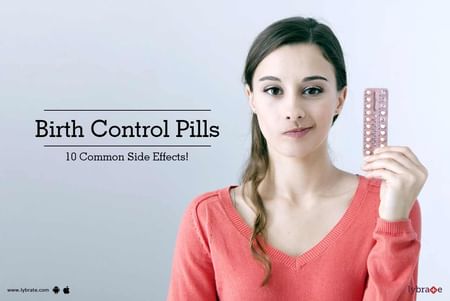
10 most common birth control pill side effects


             10 most common birth control pill side effects


The oral contraceptive pill, commonly known as "the pill," is a hormone-based method of preventing pregnancy. It can also help resolve irregular menstruation, painful or heavy periods, endometriosis, acne, and premenstrual syndrome (PMS).

Birth control pills work by preventing ovulation. No egg is produced, so there is nothing for the sperm to fertilize. Pregnancy cannot occur.
"The pill" is used by nearly 16 percent of women aged 15 to 44 years in the United States, and it has both advantages and disadvantages. People with different risk factors may be advised to use a particular kind of pill.
There are different types of contraceptive pills. They all contain synthetic forms of the hormones estrogen, progesterone, or both. Synthetic progesterone is called progestin. Combination pills contain progestin and estrogen. The "mini pill," contains only progestin.
Monophasic pills all contain the same balance of hormones. With phasic pills, two or three different types of pill are taken each month, each with a different balance of hormones.
Another option is "everyday pills" and "21-day pills." A pack of everyday pills lasts 28 days, but seven of the pills are inactive. The everyday pill may be easier to use correctly, as the routine is the same every day.
Used correctly, the pill is highly effective, but because people make mistakes, 6 to 12 pregnancies in every 100 are thought to occur each year while using it. The Centers for Disease Control and Prevention (CDC) put the failure rate for both types of pill at 9 percent.
Birth control pills do not prevent sexually transmitted diseases (STDs). Only a condom can help prevent this type of infection.

Side effects

Common side effects of oral contraceptives include:
birth control pill packets
Hormonal contraception is taken to prevent pregnancy and for other medical reasons.
  • intermenstrual spotting
  • nausea
  • breast tenderness
  • headaches and migraine
  • weight gain
  • mood changes
  • missed periods
  • decreased libido
  • vaginal discharge
  • changes to eyesight for those using contact lenses
We will look at each of these side effects in detail below.

1. Intermenstrual spotting

Breakthrough vaginal bleeding is common between expected periods. This usually resolves within 3 months of starting to take the pill.
During spotting, the pill is still effective, as long as it has been taken correctly and no doses are missed. Anyone who experiences 5 or more days of bleeding while on active pills, or heavy bleeding for 3 or more days, should contact a health care professional for advice.
This bleeding may happen because the uterus is adjusting to having a thinner endometrial lining or because the body is adjusting to having different levels of hormones.

2. Nausea

Some people experience mild nausea when first taking the pill, but symptoms usually subside after a while. Taking the pill with food or at bedtime may help. If nausea is severe or persists for longer than 3 months, you should seek medical guidance.

3. Breast tenderness

Birth control pills may cause breast enlargement or tenderness. This normally resolves a few weeks after starting the pill. Anyone who finds a lump in the breast or who has persistent pain or tenderness or severe breast pain should seek medical help.
Tips for relieving breast tenderness include reducing caffeine and salt intake and wearing a supportive bra.

4. Headaches and migraine

woman curled up with nausea

The hormones in birth control pills can increase the chance of headaches and migraine.
Pills with different types and doses of hormone may trigger different symptoms.
Using a low-dose pill may reduce the incidence of headaches.
Symptoms normally improve over time, but if severe headaches start when you begin taking the pill, you should seek medical advice.

5. Weight gain

Clinical studies have not found a consistent link between the use of birth control pills and weight fluctuations. However, fluid retention may occur, especially around the breasts and hips.
According to one review, most studies have found an average weight gain of under 4.4 pounds (2 kilograms) at 6 or 12 months with progestin-only birth control. Studies of other birth control methods showed the same gain.
Some types of hormonal contraceptive have been linked to a decrease in lean body mass.

6. Mood changes

Studies suggest that oral contraceptives may affect the user's mood and increase the risk of depression or other emotional changes. Anyone experiencing mood changes during pill use should contact their medical provider.

7. Missed periods

Even with proper pill use, a period may sometimes be missed. Factors that can influence this include stress, illness, travel, and hormonal or thyroid abnormalities.
If a period is missed or is very light while using the pill, a pregnancy test is recommended before starting the next pack. It is not unusual for a flow to be very light or missed altogether on occasion. If concerned, seek medical advice.

8. Decreased libido

The hormone or hormones in the contraceptive pill can affect sex drive or libido in some people. If decreased libido persists and is bothersome, this should be discussed with a medical provider.
In some cases, the birth control pill can increase libido, for example, by removing concerns about pregnancy and reducing the painful symptoms of menstrual cramping, premenstrual syndrome, endometriosis, and uterine fibroids.

9. Vaginal discharge

Changes in vaginal discharge may occur when taking the pill. This may be an increase or a decrease in vaginal lubrication or a change in the nature of the discharge. If vaginal dryness results, added lubrication can help make sex more comfortable.
These changes are not usually harmful, but alternations in color or odor could indicate an infection. Anyone who is concerned about such changes should speak with their medical provider.

10. Eye changes

Hormonal changes caused by the birth control pill have been linked to a thickening of the cornea in the eyes. Oral contraceptive use has not been associated with a higher risk of eye disease, but it may mean that contact lenses no longer fit comfortably.
Contact lens wearers should consult their ophthalmologist if they experience any changes in vision or lens tolerance during pill use.

Risks

The combined pill can increase the risk of cardiovascular problems, such as blood clots, deep vein thrombosis (DVT), a clot on the lung, a stroke or heart attack.
Birth control pills have also been associated with an increase in blood pressure, benign liver tumors, and some types of cancer.
The pill should not be taken by:
  • women who are pregnant
  • smokers over the age of 35 years, or anyone who stopped smoking within the last year and is over 35 years old
  • anyone with obesity
  • those who are taking certain medications
  • anyone who has or has had thrombosis, a stroke, or a heart problem
  • anyone with a close relative who had a blood clot before the age of 45 years
  • people who have severe migraines, especially with an aura as the warning sign
  • anyone who has or had had breast cancer or disease of the liver or gallbladder
  • anyone who has had diabetes for at least 20 years or diabetes with complications
If any of the following occur, the user should see a doctor.
  • abdominal or stomach pain
  • chest pain, shortness of breath, or both
  • severe headaches
  • eye problems such as blurred vision or loss of vision
  • swelling or aching in the legs and thighs
  • redness, swelling or pain in the calf or thighs
They may indicate a more serious condition.

Long-term effects

Use of birth-control pills may increase the risk of long-term health problems.

Cardiovascular problems

A woman is clutching her chest in discomfort.

Combination pills can slightly increase the risk of cardiovascular side effects, such as heart attack, stroke, and blood clots. These can all be fatal.
The risk is higher with some pills. A doctor can advise on suitable options.
Anyone who has uncontrolled high blood pressure or a personal or family history of blood clots, heart attack, or stroke should ask their medical provider about alternative methods.

Cancer risk

Female hormones that occur naturally, such as estrogen, are thought to affect the chances of a woman developing some types of cancer. It is therefore possible that using a hormone-based method of birth control could have a similar effect.
Ovarian and endometrial cancer: These appear to be less likely among women who use the pill.
Breast cancer: There appears to be a slightly higher chance of breast cancer developing in women who have recently been using the contraceptive pill, and especially if they started using it during their teenage years. However, after 10 years of not using the pill, the risk appears to be the same as for someone who has never used it.
Other factors may play a role, such as a woman's age at starting puberty and menopause, her age at her first pregnancy, and whether or not she has had children.
Cervical cancer: Long-term use of the pill has been linked to a higher risk of cervical cancer, compared with those who have never used it. However, most types of cervical cancer are caused by the human papillomavirus (HPV). Whether HPV is linked to the use of oral birth control pills has not yet been confirmed.
Liver cancer: Oral contraceptives have been linked to a higher chance of developing benign liver tumors, but these rarely become cancerous. Some studies have suggested that liver cancer risk is higher after using oral contraceptives for at least 5 years, but other studies have not had the same results.

www.medicalnewstoday.com
Read More